 USA
USA Germany
 India
India AUS
AUS UK
UK Norway
- Login


Driver Behavior Analysis
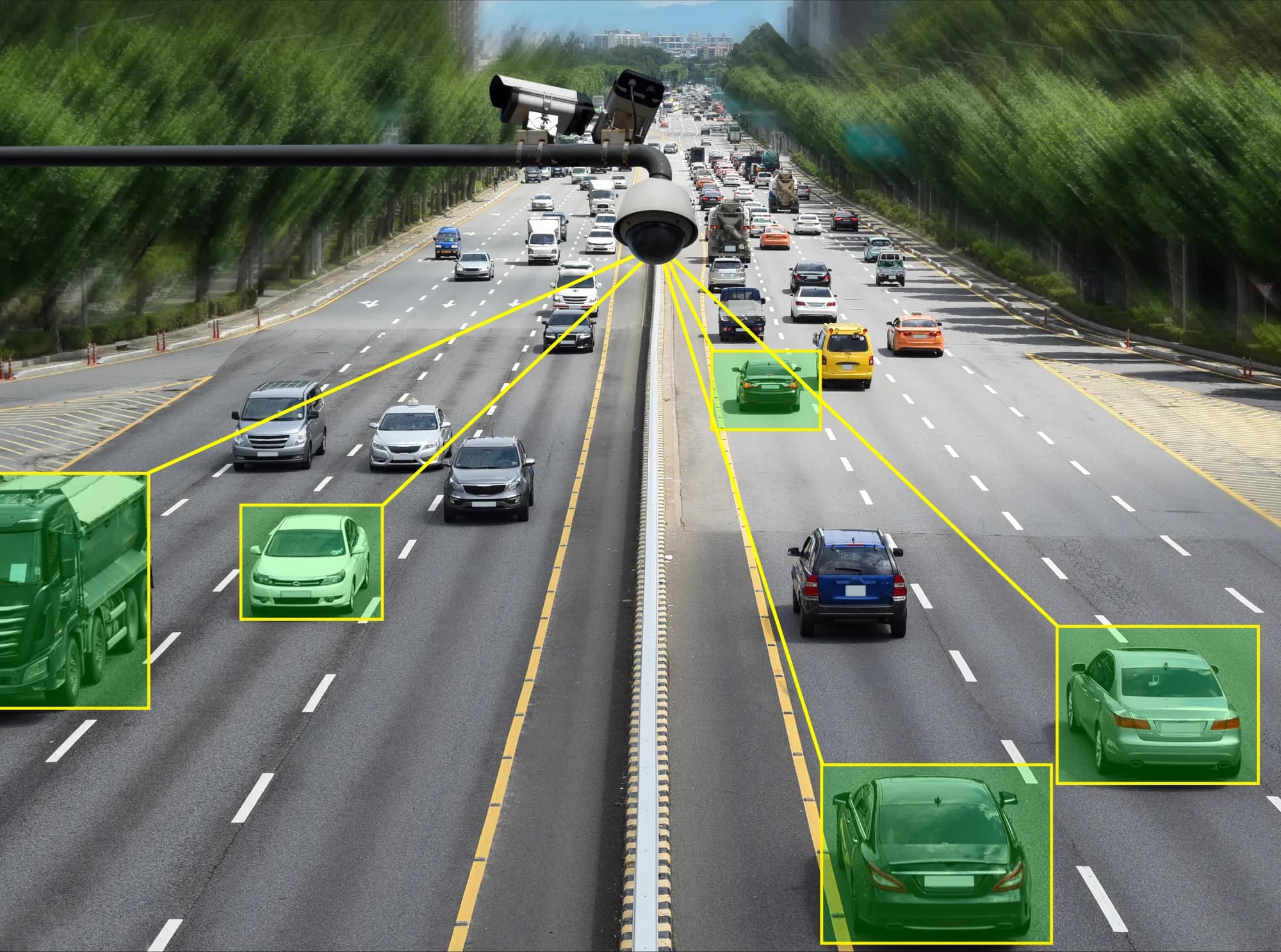
In order to study driving habits without disclosing the identities of specific drivers, driver behavior analysis entails gathering data from sensors and in-car systems and anonymizing it. To make driving safer for everyone on the road, this data is essential for developing customized ADAS features and improving safety algorithms. Researchers can create creative ways to stop accidents and raise road safety standards by studying how drivers act when operating a vehicle. Experts in driver behavior analysis can spot patterns and trends in driving behaviors that can be used to create safer and more effective ADAS features and precautions. Researchers can identify areas where drivers might need extra help or direction to avoid accidents by using the data gathered from different sensors. In order to make driving safer and lower the number of collisions on the road, this information is invaluable.

Accident and Incident Analysis
An essential step in determining the causes of mishaps and near-miss incidents is accident and incident analysis. Researchers can enhance ADAS features like autonomous emergency braking and collision avoidance by gathering and anonymizing data from these occurrences. This contributes to everyone on the road being safer while driving a car. Furthermore, a better understanding of the factors causing accidents is made possible by sharing this data with regulatory agencies and researchers without jeopardizing individual privacy. Improving the safety features of automobiles requires analyzing accidents and incidents. The number of accidents on the road can be decreased by ADAS functionalities being improved through the analysis of gathered data. It is crucial to share this data with regulatory agencies and researchers in order to make driving safer for everyone. We can keep developing vehicle safety technology if we collaborate to examine and draw lessons from these incidents.

Usage Pattern Analysis
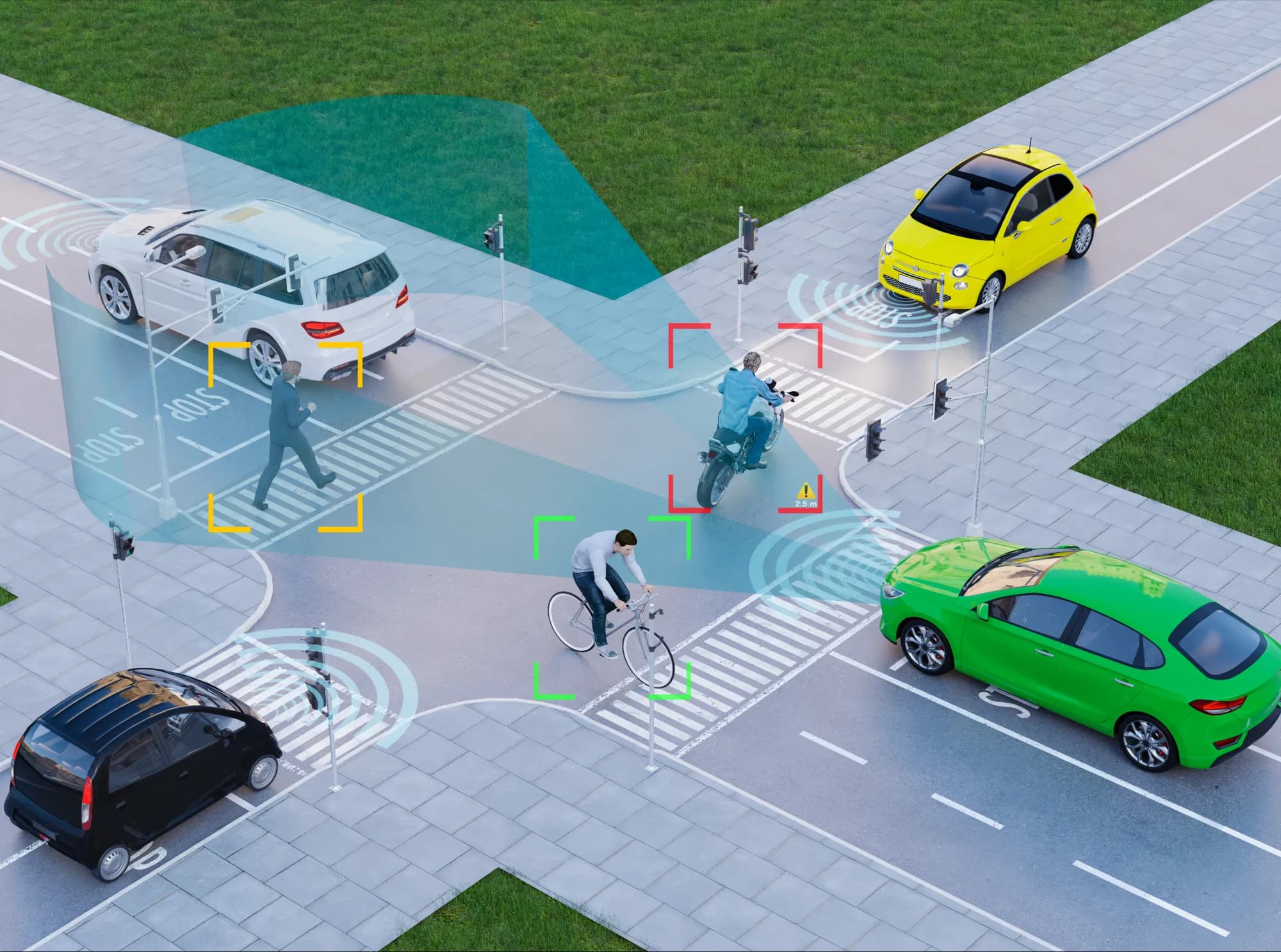
The study of how various cars make use of advanced driver assistance system (ADAS) features in varied environments and driving conditions is known as usage pattern analysis. Researchers can learn more about the practical applications of these features by anonymizing usage data. With this knowledge, future ADAS functions that are more efficient and user-friendly can be developed, as well as existing ones that can be improved. Usage pattern analysis can aid in the creation of new ADAS features and provide insightful information about how well-performing current ones are. Scholars can pinpoint opportunities for advancement and novelty by examining how drivers engage with these technologies under various circumstances. ADAS features that are more suited to the requirements and preferences of drivers may be developed as a result of this data-driven approach, ultimately improving driving enjoyment and road safety.
Fleet Management
To monitor vehicle performance, driver behavior, and route efficiency, commercial fleets need to have a fleet management system. Fleet managers can track and examine these elements without jeopardizing driver privacy by anonymizing data. The information about specific drivers is kept private while operations are optimized and safety precautions are strengthened. An enhanced and more productive monitoring system is also made possible by anonymizing data in fleet management. Fleet managers can concentrate on enhancing overall performance and making sure that drivers follow safety procedures by eliminating personal information from the system. This helps all of the drivers involved work in a safer and more secure environment, in addition to being advantageous to the business in terms of productivity and cost-effectiveness.


Regulatory Compliance and Reporting
In order to make sure that businesses abide by privacy regulations such as the CCPA and GDPR, regulatory compliance and reporting are crucial. One important strategy for maintaining individual privacy rights and fulfilling reporting requirements is to anonymize data. Companies can provide regulatory agencies with the data they need without jeopardizing the privacy of individuals by stripping personally identifiable information from datasets. Retaining regulatory compliance also contributes to stakeholder and customer trust. Businesses can build credibility and a better reputation by showcasing their dedication to privacy protection and regulatory compliance.
Research and Development
VISTA's ability to anonymize data is essential to the investigation and creation of new ADAS technologies. To preserve people's privacy, personal information is thus deleted from the data. In this way, sensitive data is protected while researchers focus on creating cutting-edge technologies. Collaboration with outside research institutes and technology partners is another feature of VISTA. Through this collaboration, the field of ADAS technology is advanced by exchanging information and resources without running the risk of disclosing personal information. In general, VISTA provides an invaluable platform for the advancement of ADAS technology research and development. Researchers can collaborate to develop cutting-edge technologies while safeguarding the privacy of individuals by anonymizing data and permitting external partners. In addition to advancing the field, this creative strategy guarantees the privacy of sensitive personal data during the research and development phase.


Performance Benchmarking
Performance benchmarking, or contrasting the effectiveness of various ADAS features in varied car and driving scenario scenarios, is a feature provided by VISTA. Manufacturers and developers are able to compare the performance of their systems to those of others by using anonymized data. They can ensure that their systems function better and are more dependable by using this information to inform their improvements. For manufacturers and developers looking to improve the performance of ADAS features, VISTA's Performance Benchmarking is a helpful tool. They can pinpoint areas that need improvement and implement the necessary changes by evaluating data from various car models and driving scenarios. They can develop more dependable and efficient systems as a result of this process, which eventually benefits drivers and raises road safety standards.
Customer Feedback and Improvement
VISTA facilitates the collection of customer feedback regarding ADAS system experiences by businesses. Because the input is gathered anonymously, specific customer identities are hidden from view. Manufacturers are able to improve ADAS features based on real-world usage by analyzing this data. This lets businesses improve a product's functionality and user experience without sacrificing the privacy of their customers. Manufacturers can enhance their ADAS systems with data-driven improvements thanks to VISTA, which is one of its main advantages. Businesses can pinpoint areas for development and implement adjustments that will improve the user experience overall by examining customer feedback. By continuously updating and improving their products based on real-world usage data, manufacturers are able to remain competitive in the market. In general, VISTA offers businesses a useful tool for gathering input, making adjustments, and eventually offering a better product for their clients.


Mapping and Localization
Vehicle localization and mapping have been greatly enhanced by VISTA. It improves mapping services and the localization algorithms used by ADAS by anonymizing location data gathered from automobiles. This ensures that private location data is kept private and permits precise mapping and navigation services to be offered. This ensures that cars can still navigate safely while also helping to protect people's privacy. Vehicle mapping and localization performance is greatly improved with VISTA. The technology makes sure that sensitive information is protected by anonymizing location data that is gathered from vehicles. This permits ADAS to use more precise localization algorithms and mapping services. VISTA helps drivers have a better overall navigation experience while protecting their location data by striking a balance between privacy and functionality.
Simulation and Testing
Through the use of anonymized real-world data, VISTA is able to produce realistic simulations that closely mimic real-world driving situations. Because of this, manufacturers can thoroughly test their ADAS features in a secure setting without jeopardizing the original data sources' privacy. The effectiveness and dependability of ADAS features in practical situations is increased through the use of VISTA in testing and simulation. Before integrating their systems into real cars, manufacturers can confidently evaluate how well their systems work thanks to realistic simulations built on anonymized data. This creative method safeguards the privacy of people whose data is used in the testing process in addition to improving the functionality and safety of ADAS features.