 USA
USA Germany
 India
India AUS
AUS UK
UK Norway
- Login


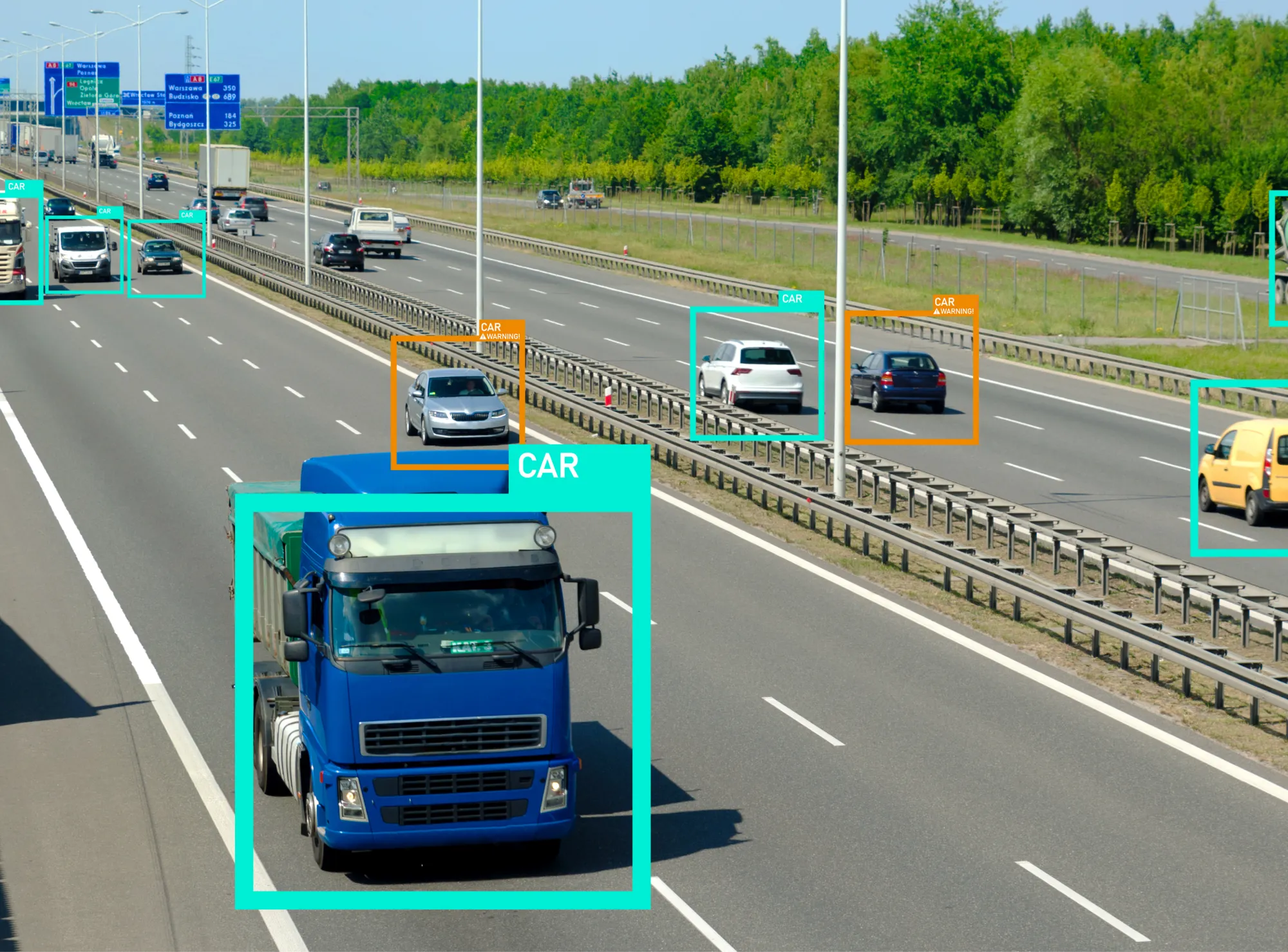
Image Annotation
VISTA offers multiple techniques for image annotation, including line and spline annotation, bounding box annotation, polygon annotation, semantic segmentation, instance segmentation, and key point annotation. The process of bounding box annotation entails putting boxes around moving vehicles and pedestrians. To represent shapes more accurately, objects are outlined with polygons using polygon annotation. Semantic segmentation uses labels on each pixel in an image to distinguish between various regions. In an image, instance segmentation facilitates the distinction between various instances of the same object className. An image's key points, like facial landmarks, can be marked with a key point annotation. To label objects like boundaries and roads, line and spline annotation entails drawing lines and curves.
These VISTA annotation techniques are essential for tasks such as pose estimation, image segmentation, and object detection. They support precise object recognition and classification in photos. For complicated objects like cars and pedestrians, polygon annotation is helpful. Labeling various areas of an image, such as the sky, cars, sidewalks, and roads, is made easier with the use of semantic segmentation. Annotating key points is useful for tasks like pose estimation and facial recognition. For precise object labeling, such as for roads and boundaries, line and spline annotation is necessary. Overall, VISTA's ability to annotate images is essential for a number of computer vision applications.

Lane and Road Marking Annotation
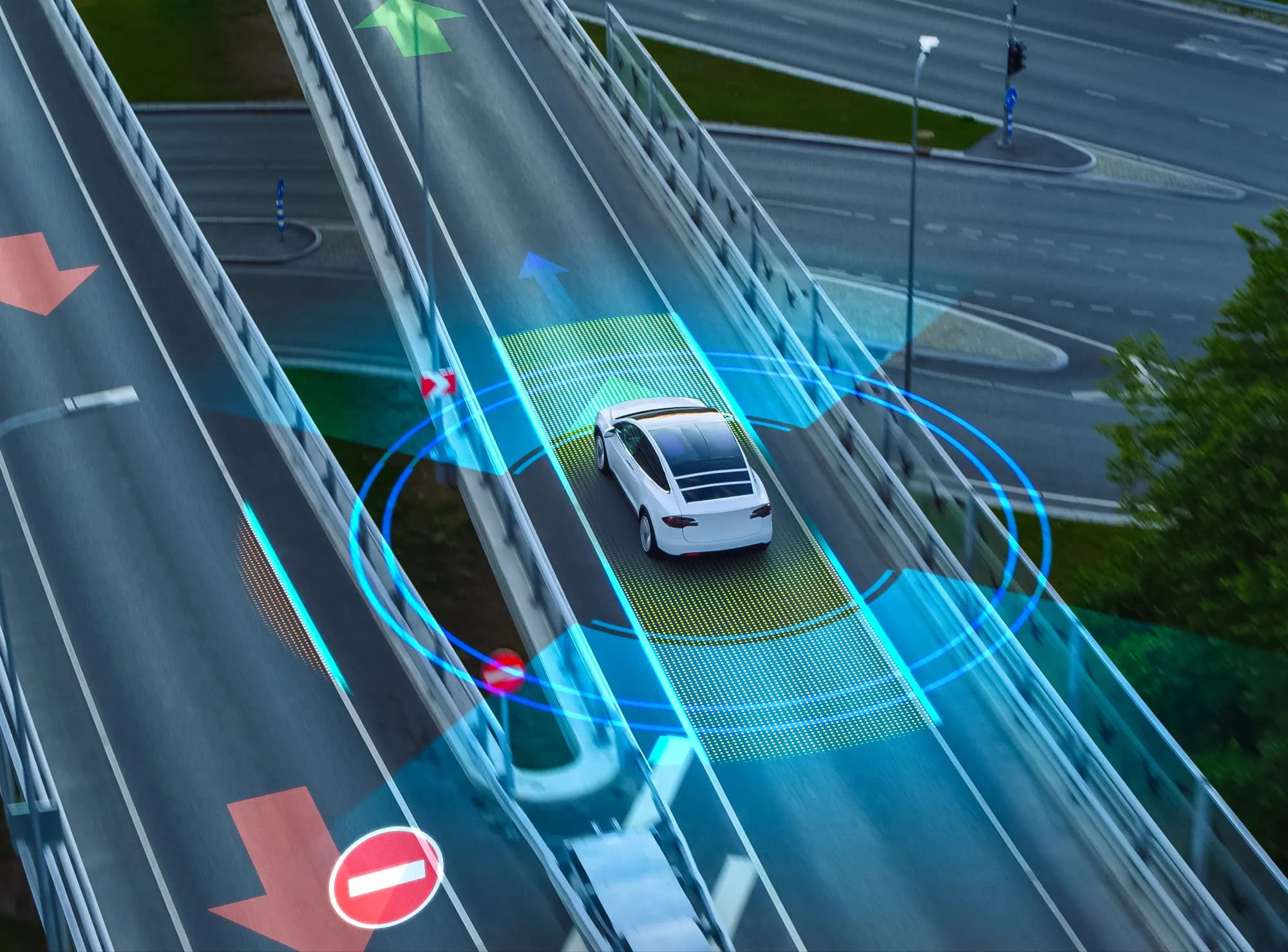
VISTA provides services for annotating road markings and lanes. Marking lane boundaries and markings is known as "lane detection," and it helps with lane-keeping and lane-departure warning systems. This aids in preventing cars from straying from their lanes. Labeling road signs, arrows, crosswalks, and other surface markings is known as road marking annotation. In addition to ensuring pedestrian and driver safety on the roads, this data is essential for navigation systems. VISTA helps to increase road safety and improve the driving experience by offering features like Lane Detection and Road Marking Annotation. Road markings and lane boundaries that are accurately annotated facilitate safer and more efficient vehicle navigation. Traffic laws and regulations are easily followed by drivers when they are clearly labeled on road signs, arrows, and crosswalks. All things considered, this annotation service is essential to making the driving environment safer and more orderly for all users.
Object Tracking
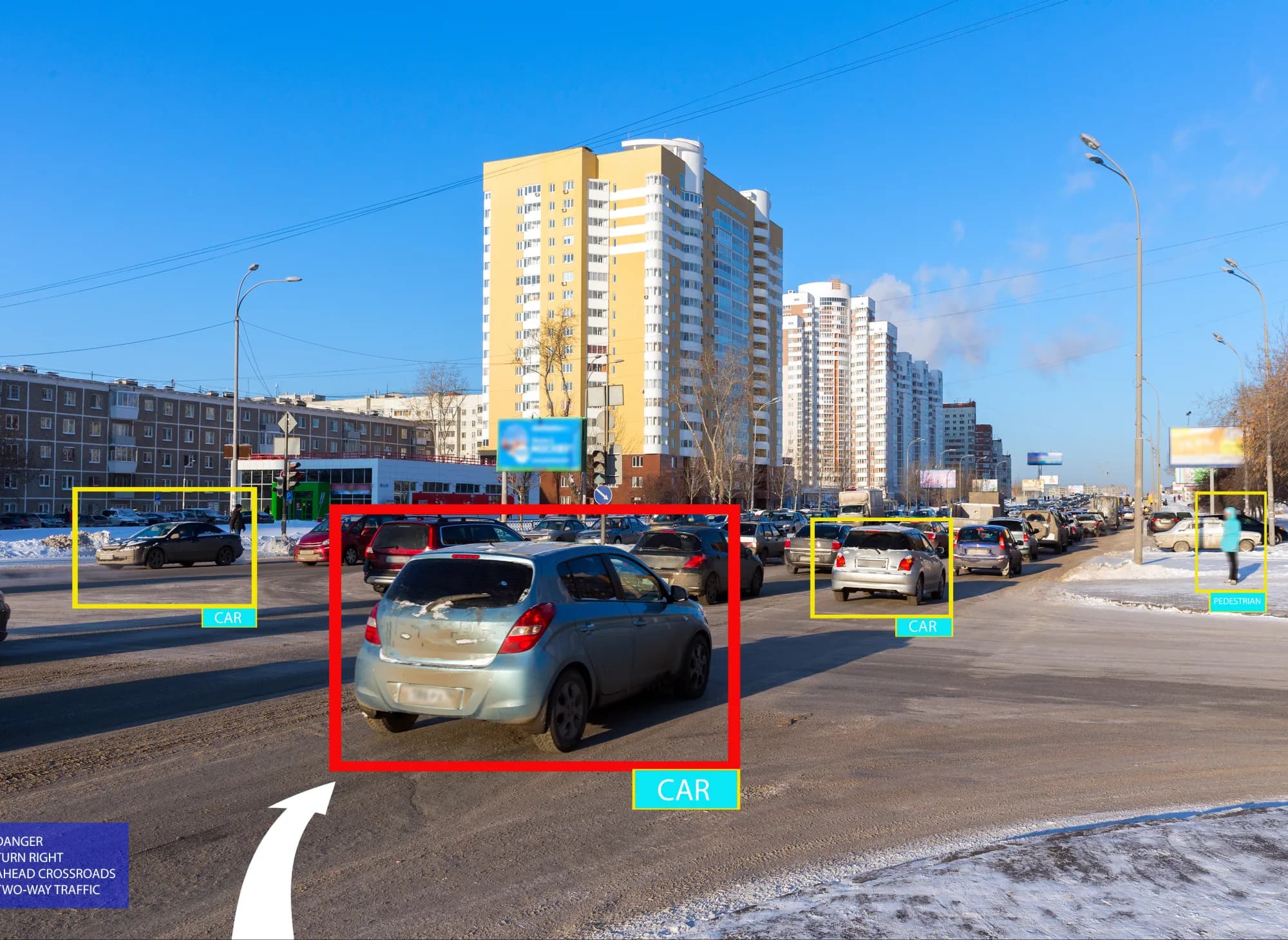
Through a sequence of video frames, users can follow moving objects such as cars, pedestrians, and cyclists. VISTA assists users in comprehending the movement patterns of these moving objects by providing annotations on their paths and trajectories. This is a very helpful tool when tracking the movement of specific objects is important, like in surveillance and monitoring scenarios. When using Object Tracking in VISTA, objects such as cars, pedestrians, and cyclists are tracked frame-by-frame throughout a series of video frames. The paths and trajectories of these moving objects can be annotated to provide users with important context for understanding how they move and interact with the video. Tracking the movement of objects is crucial for analysis and decision-making in many fields, such as research studies, traffic management, and security surveillance. This feature can be very helpful in these situations.
3D Point Cloud Annotation
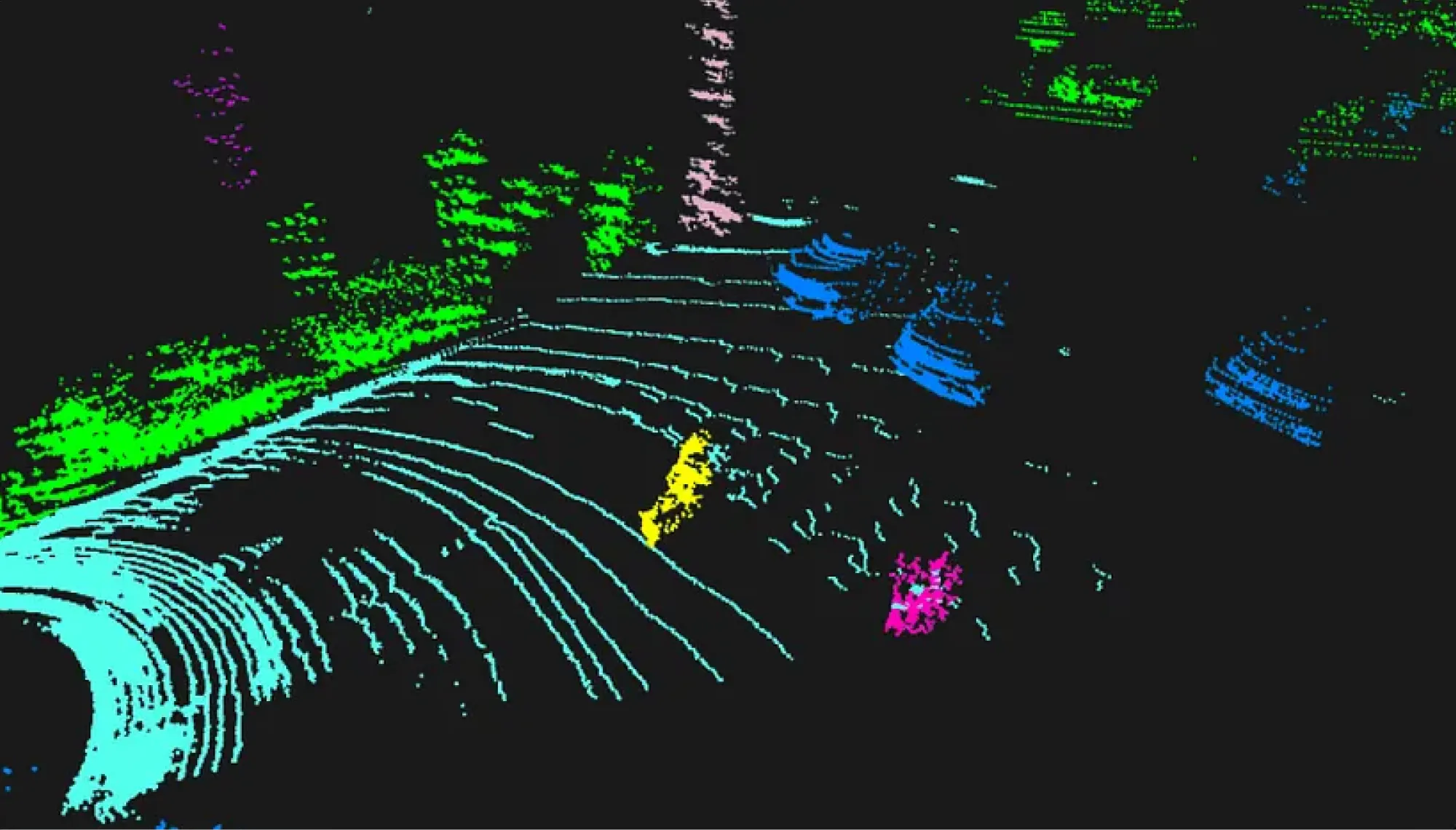
For this, point cloud data from LiDAR sensors is used to create 3D bounding boxes around objects. In order to categorize points in the point cloud and aid in the differentiation of various objects and surfaces, segmentation is also carried out. LiDAR annotation is an additional feature of this service that involves labeling data obtained from LiDAR sensors in order to identify objects and their spatial relationships in three dimensions. To sum up, 3D bounding box annotation, segmentation, and LiDAR annotation are all included in VISTA's 3D Point Cloud Annotation service. These methods assist in distinguishing between different objects and surfaces as well as precisely identifying objects in point cloud data. A useful tool for many applications, VISTA labels the data gathered by LiDAR sensors to allow object identification and their spatial relationships in three dimensions.
Video Annotation
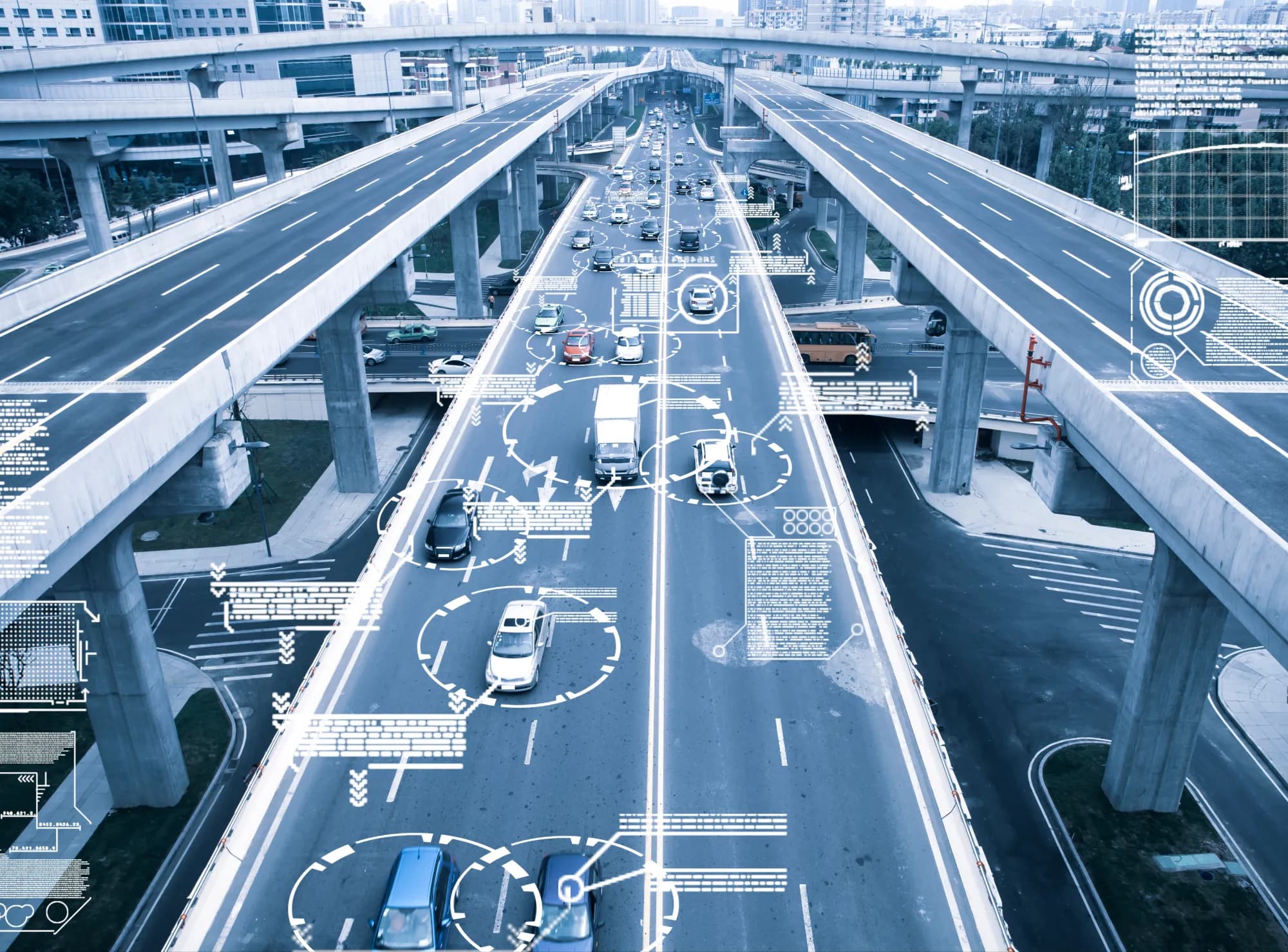
Turning, stopping, merging, and other driving-related actions and events can be labeled in driving videos with the help of VISTA's Video Annotation service. This can help in comprehending patterns and behaviors of driving while operating a vehicle. Furthermore, intricate driving scenes can be annotated with VISTA's Scene Understanding feature to record interactions between various objects and dynamic environments. Enhancing overall road safety and creating more advanced autonomous driving systems can both benefit from this. Researchers and developers can enhance road safety measures by employing VISTA's Video Annotation service to analyze driving videos more effectively.
Driving videos can be used to identify risky driving behaviors and patterns by labeling actions and events. Additionally, the Scene Understanding feature can offer more in-depth understanding of the intricate relationships that exist between various objects and dynamic road environments, which could lead to improvements in autonomous driving technology and general driving safety.
Traffic Sign Annotation
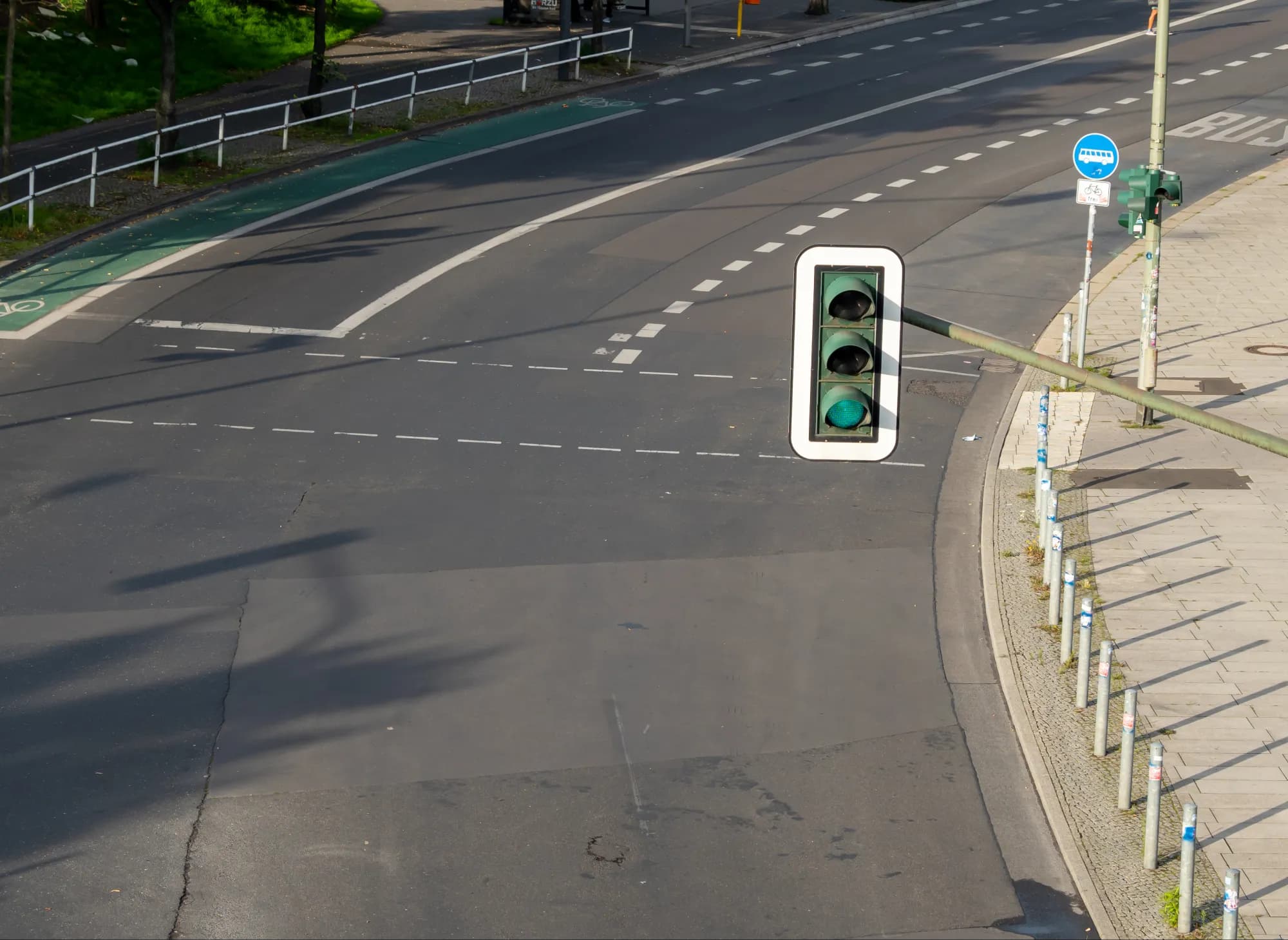
Classifying and identifying various traffic sign kinds, such as stop signs and speed limits, is part of this. Moreover, text from traffic signs is extracted by VISTA using optical character recognition (OCR). This makes it easier to recognize and comprehend traffic signs on the road with more accuracy and efficiency. VISTA contributes to increased road safety by labeling and classifying different kinds of traffic signs. Drivers can adhere to traffic laws and regulations more easily since VISTA's OCR technology helps to extract crucial information from traffic signs. In summary, the Traffic Sign Annotation service provided by VISTA is essential for promoting safer and more efficient traffic flow on roadways.
Pedestrian and Cyclist Annotation
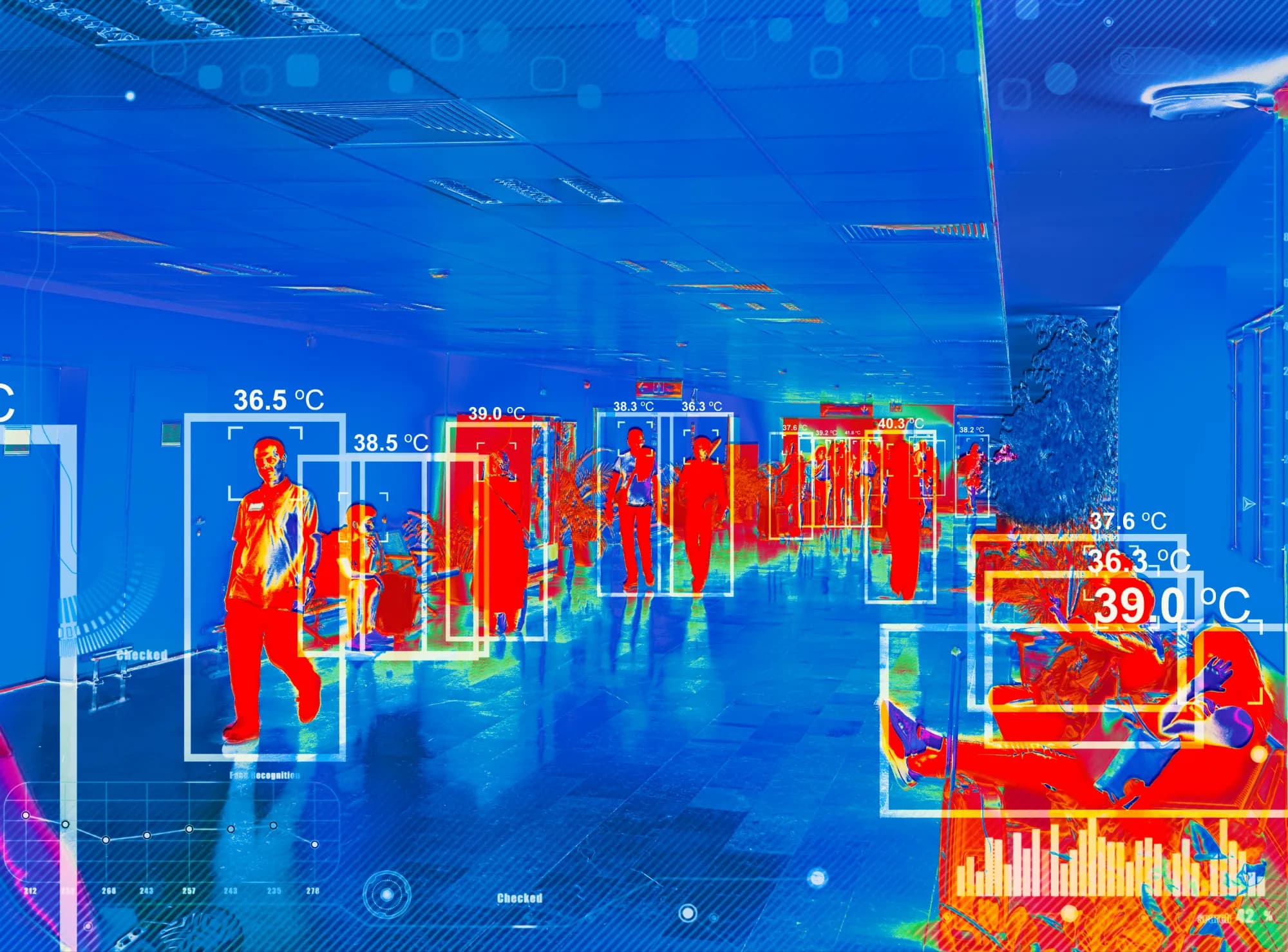
For precise person identification and labeling in photos or videos, VISTA provides services for pedestrian and cyclist annotation. This includes outlining cyclists and pedestrians with bounding boxes or polygons for accurate detection. In order to provide additional context for analysis, VISTA can also annotate these people's actions, such as running, walking, or crossing the street. With the help of Bounding Box and Polygon Annotation, VISTA is able to identify cyclists and pedestrians in a variety of situations. This makes it possible to identify and follow people in photos or videos more accurately. Moreover, Behavior Annotation aids in the classification of pedestrian and cyclist movements and actions, offering important data for future study and advancement in the field of pedestrian and cyclist detection technologies.
Driver Monitoring Annotation
To assist in tracking and analyzing a driver's actions while driving, VISTA provides Driver Monitoring Annotation services. Facial Landmark Annotation is one such technique that helps monitor a driver's attentiveness and spot indicators of drowsiness by labeling significant facial features. Pose Estimation is also used to annotate the head and body position of the driver, offering insights into their posture and actions when operating a vehicle. Through the use of Pose Estimation and Facial Landmark Annotation, VISTA can help improve driver performance and safety. These annotations can serve as a warning system for any possible hazards on the road and aid in understanding the driver's behavior. This technology ultimately makes everyone's use of the roads safer by making it simpler to recognize and address any problems relating to fatigue or distraction.

Environmental Context Annotation
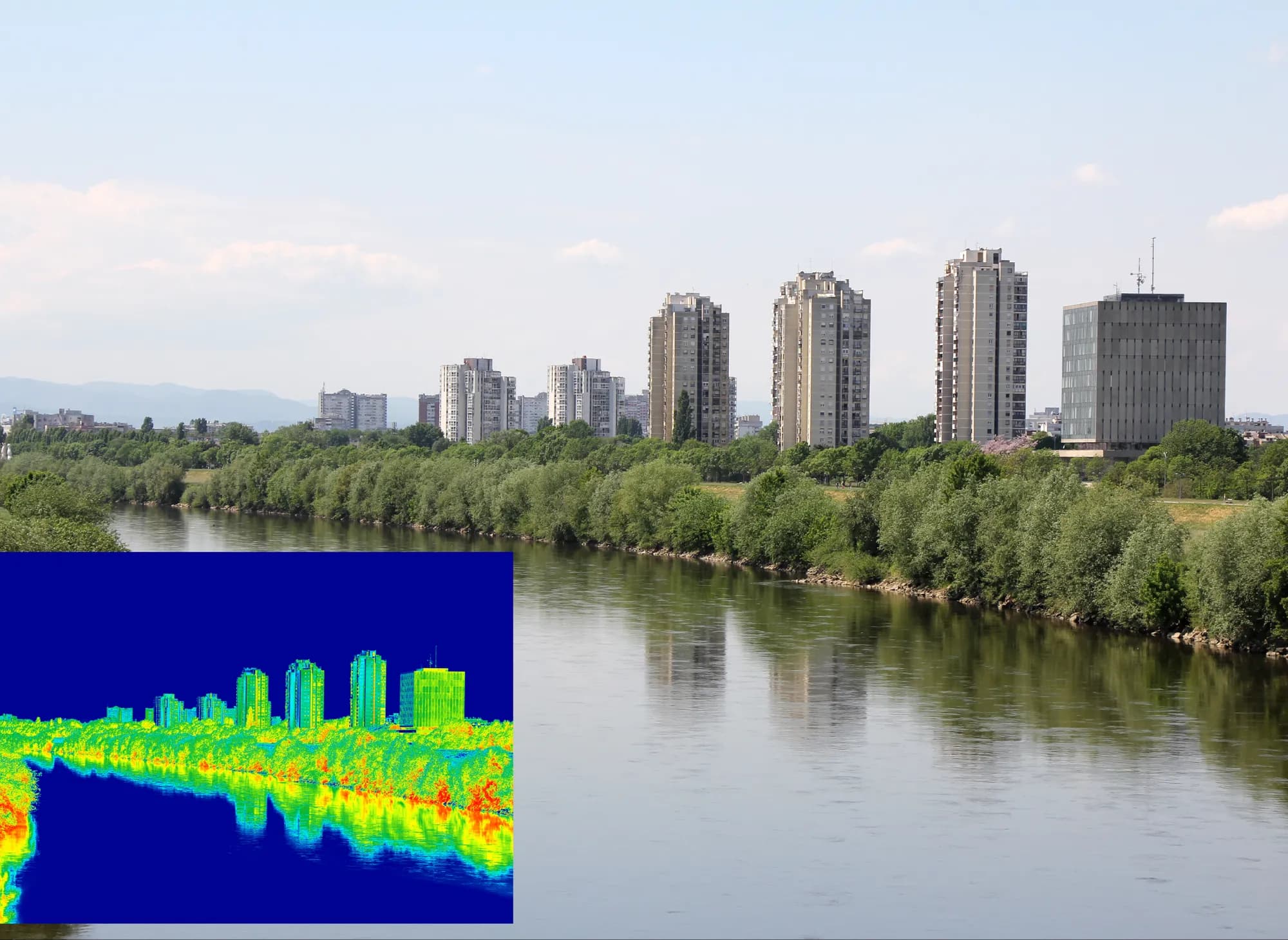
This informs us about the weather, including whether it is snowing or raining, foggy, or full of lightning. For your own safety, especially when driving, this information is crucial. VISTA also assists us in determining the state of the roads, such as whether they are icy, uneven, wet, or dry. In order to prevent accidents, this can assist us in route planning and cautious driving. We can increase our awareness of the surroundings by annotating environmental context with VISTA. We can better prepare for the day ahead by being aware of the weather, such as by packing an umbrella for rain or wearing warm clothing for snow. Being aware of the state of the road can help us drive more safely and make wiser decisions. With VISTA's assistance, we can more skillfully navigate our environment and maintain our safety in a variety of weather and road situations.
Quality Assurance and Validation
In order to guarantee the accuracy and consistency of the annotated data, VISTA provides services for validation and quality assurance. To manually verify that the annotated data is accurate, manual reviews are carried out. This guarantees the quality of the annotations and aids in error detection. The data is also validated using automated tools and algorithms, which improves the annotations' accuracy and dependability even more. The quality and consistency of the annotated data are guaranteed by VISTA through the combination of automated validation procedures and manual reviews. The manual reviews assist in identifying any mistakes that might have gone unnoticed throughout the annotation procedure. An additional layer of assurance is added to the data by using automated tools and algorithms that validate it further. All things considered, these procedures for quality assurance and validation support the upkeep of the dependability and correctness of the annotations supplied by VISTA.